
Knowing how to activate a dental expansion appliance correctly is an important part of orthodontic treatment management. For orthodontic practices, dental laboratories and appliance manufacturers especially of expansion screws, activation is more than just turning the screw. A clinical controlled procedure that adheres to an orthodontist prescription, prosthetic design, patient maturity, skeletal condition and objectives of treatment. The availability of a standard activation protocol enhances communication at all levels between orthodontists, treatment coordinators, laboratories and ultimately patients. If appliance-specific instructions are clear, you can minimize the chance of making incorrect turns, missing activations and needing to adjust your appliances.
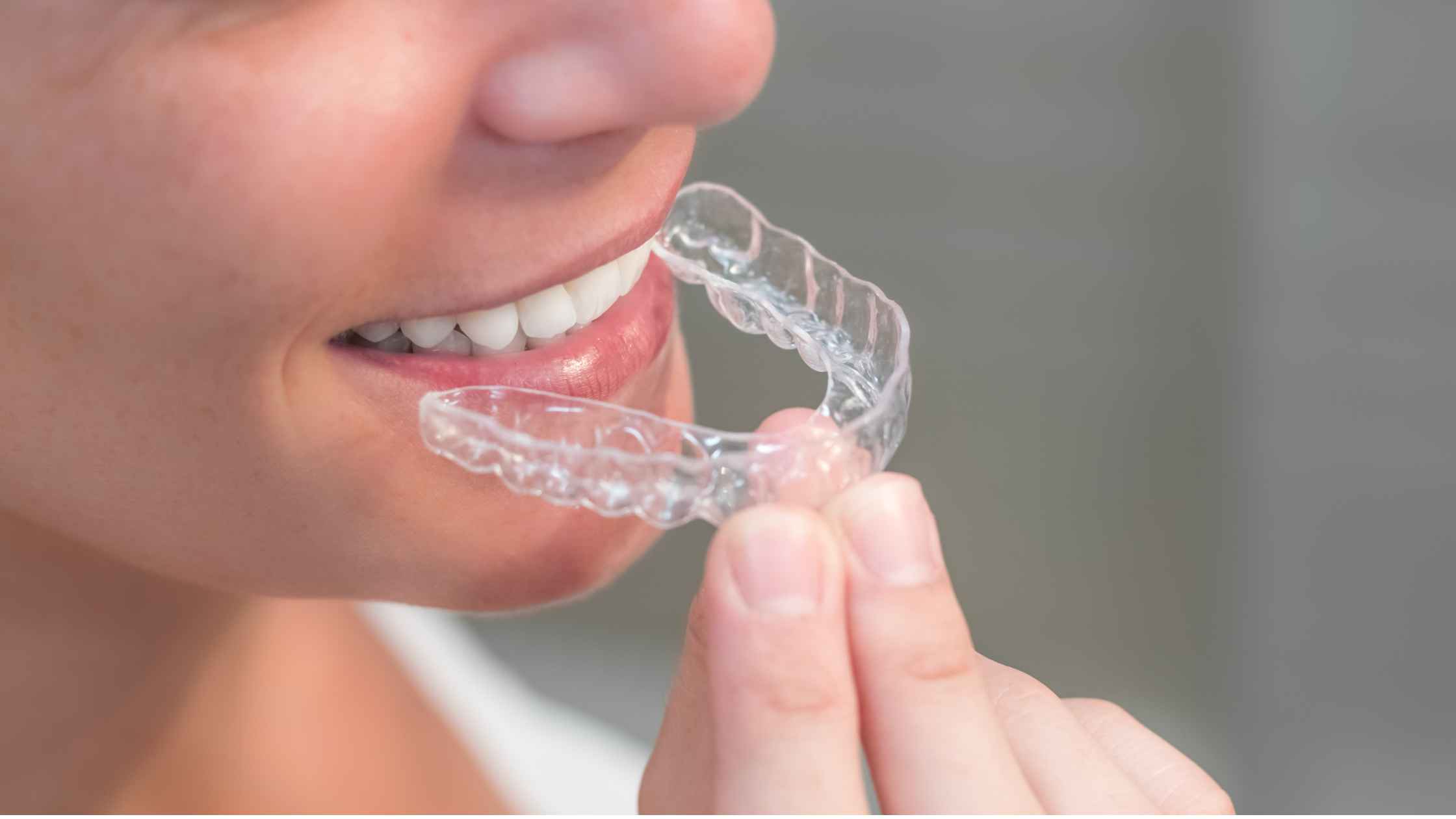
Palatal expanders, as per the American Association of Orthodontist (AAO) are used to widen the upper jaw which is made with retainer material and a screw that goes through its centre; they easily fit into mouth via the tooth arches on either side.The various conditions treatable with palatal expanders for kids include crossbite, severe crowding & poor spacing for erupting permanent teeth. If the patient is still growing, expansion is usually better.
Why Use a Dental Expansion Appliance?
It’s a device to gradually widen a narrow upper arch, correcting the relationship between the jaws. In orthodontic practices it can be especially useful for treating posterior crossbite, arch-width deficiencies and selected situations where dental crowding exists. Especially in growing patients, expansion can allow more room for erupting permanent teeth and facilitate a more stable bite.
| Treatment objective | Potential clinical value |
| Correct transverse deficiency | Improves the upper-to-lower arch relationship |
| Address posterior crossbite | Helps establish a more appropriate transverse bite |
| Create arch space | May provide additional space in selected cases |
| Support eruption | Can improve available space for developing teeth |
| Intercept developing problems | Allows treatment while growth is occurring |
Expansion is not appropriate for every patient. Appliance selection, activation rate and treatment timing should always be determined following an orthodontic examination and individual diagnosis.
What Is Expansion Appliance Activation?
The use of force in expansion appliance activation is defined as the dimensionally controlled lateral force which is produced in a body by rigging an orthodontic expansion screw across the maxillary arch. The orthodontist or, following written instructions, a trained parent or caregiver activates the appliance, depending on the type of appliance and treatment plan. Typical devices are Hyrax-type expanders, conventional rapid maxillary expanders, bonded expanders and varied static expansion systems. Their mechanisms of activation and bullpen schedules can vary.
Therefore, an important B2B principle is:
The appliance determines the available activation mechanism, the orthodontist determines the appropriate activation protocol.
A schedule used for one appliance should not automatically be transferred to another case.
Step-by-Step: How to Activate a Dental Expansion Appliance
Step 1: Confirm the Clinical Prescription
Before activation, the orthodontic team must verify:
- Appliance type and design
- Number of prescribed turns
- Direction of activation
- Activation frequency
- Duration of active expansion
- Review schedule
- Retention plan
Language that will be used for missed or uncertain activations Comment on the stability of the appliance. Supplying a well documented opening statement specific to the activation with deliveries to dental laboratories and appliance manufacturers may limit potential interpretation issues at the practice level.
Step 2: Position the Patient Correctly
Position the patient comfortably, with reasonable light and visibility Select the correct dental expander key based on the appliance. The key must be seated completely inside the activation hole before the turn begins. If partial engagement can make things tricky — allowing for slips to happen. If the mechanism does not engage as it should, do not force the key.
Step 3: Engage the Expansion Screw
The key is then placed in the appropriate direction and moved according to the orthodontist or appliance instructions. As for the traditional expansion screws, one activation corresponds to a fixed distance that a screw moves on release. But the exact value of activation depends on the screw system which all needs to be verified on a case-by-case basis for the corresponding appliance.
This difference is especially important for B2B dental laboratories providing appliances with two different screw designs.
Step 4: Complete the Prescribed Turn
The activation shall be complete in the manner for which the appliance is intended. The key should then be extracted gently. If the key cannot be inserted and/or is stuck near end range, slips repeatedly or the appliance appears loose, the patient must stop pressing and contact the orthodontic practice rather than attempting to force the mechanism.
Step 5: Document the Activation
Every activation should ideally be recorded.
| Record | Why it matters |
| Date | Establishes treatment chronology |
| Number of turns | Tracks prescribed expansion |
| Symptoms | Identifies unexpected discomfort |
| Appliance condition | Helps identify mechanical problems |
| Next review | Supports clinical monitoring |
Digital records can be particularly useful for multi-location practices and B2B workflows involving orthodontists, laboratories and treatment-support teams.
Understanding Hyrax Expander Activation
Activation of a hyrax expander relies on specific instructions about when to activate the appliance, depending not only on the individual needs but also the model utilized. The Hyrax appliance functions through a central expansion screw, but the frequency and amount of activation are prescribed by an orthodontist. The key difference for professional teams is screw capability vs clinical prescription. Knowing how much a screw can advance does not dictate when it should be turned for a particular patient. Clinical protocol is determined based on factors, including patient age and skeletal maturity, transverse discrepancy, appliance design and treatment objectives.
Monitoring During Expansion
We should understand that the activation is just part of expansion therapy. It calls for regular clinical assessment to test if the appliance is doing its job.
The orthodontic team may assess:
- Appliance stability
- Occlusal changes
- Posterior crossbite correction
- Tooth movement
- Soft-tissue response
Activation vs. Appliance Maintenance
Activation and maintenance should be treated as two separate responsibilities.
| Activation | Maintenance |
| Follows the prescribed schedule | Maintains appliance cleanliness |
| Changes the expansion screw | Supports appliance integrity |
| Requires treatment-specific instructions | Requires consistent oral hygiene |
| Monitored by the orthodontic team | Reinforced by the clinical team |
| Ends when prescribed expansion is achieved | Continues throughout appliance use |
Common Activation Errors in Dental Practices
Several avoidable errors can affect expansion management:
- Trying the wrong key: Various devices can use different methods.
- Based on a prescription of the patient using the generic online schedule: activation
- Not documenting turns: Missing records can complicate treatment progress.
- The approach: The mechanism must be forced; if the resistance or inability to complete a turn arises, have it professionally evaluated.
B2B Workflow for Expansion Appliance Management
For orthodontic practices and dental appliance providers, a standardized workflow can improve consistency:
Diagnosis → Appliance selection → Custom fabrication → Clinical fitting → Activation instructions → Documentation → Review → Expansion completion → Stabilization
This workflow demonstrates why B2B appliance support should extend beyond manufacturing. Accurate fabrication, clear activation instructions, documentation templates and clinical communication resources can all contribute to better treatment management.
Conclusion
Safe activation of a dental expansion appliance requires consideration to be made at orthodontic teams to the correct identification of an appliance, prescribed screw movement, key alignment and position as well documentation and regular clinical monitoring.
The best B2B dental partners not only offer a clinically sound appliance, but the documentation and education necessary to support consistent use of the appliance. If one can coordinate the diagnosis, Sequential appliance design, Activation and monitoring activity along with stabilization of any undue inflammation with customary oral function at a professional practice level, expansion therapy will become an integrated clinical process but never merely a mechanical procedure. Looking for a reliable B2B partner for your orthodontic practice or dental appliance requirements? Contact to connect with our clinical team and explore professional collaboration, treatment-support solutions and the Elencia doctor network.
Frequently Asked Questions
The Individual Who Activates a Dental Expansion Appliance
The orthodontist determines how often the appliance is activated by adjusting it as needed. Based on the appliance and treatment plan, a trained provider may be required to complete prescribed home activations. They must adhere fully to the written instructions and speak with a orthodontic practice if the appliance becomes unfastened or in any different situation, the key does not work very well.
What happens if an activation is not received within a certain time period?
You shouldn’t just compensate a missed activation in the next turn with double the amount of actions. Depending on the individual treatment protocol is depending on the response you need. The patient/caregiver must call the orthodontic practice and abide by the protocol laid out by the treating orthodontist.
How often should a Hyrax expander be turn?
Note that Hyrax can be activated at any time, not according to a standard or universal schedule. The orthodontist decides the treatment frequency according to the diagnosed nature of malocclusion, growth status, treatment aims and design of appliances. Therefore, generic activation schedules should not be used and dental practices should give instructions based on their cases.
And what after the desired expansion occurs?
After the amount specified has been reached, active turning typically ceases so that the device can stabilize in place. It will vary, based on the treatment. The orthodontist then decides if you need any more orthodontic treatment, e.g., braces or aligners.