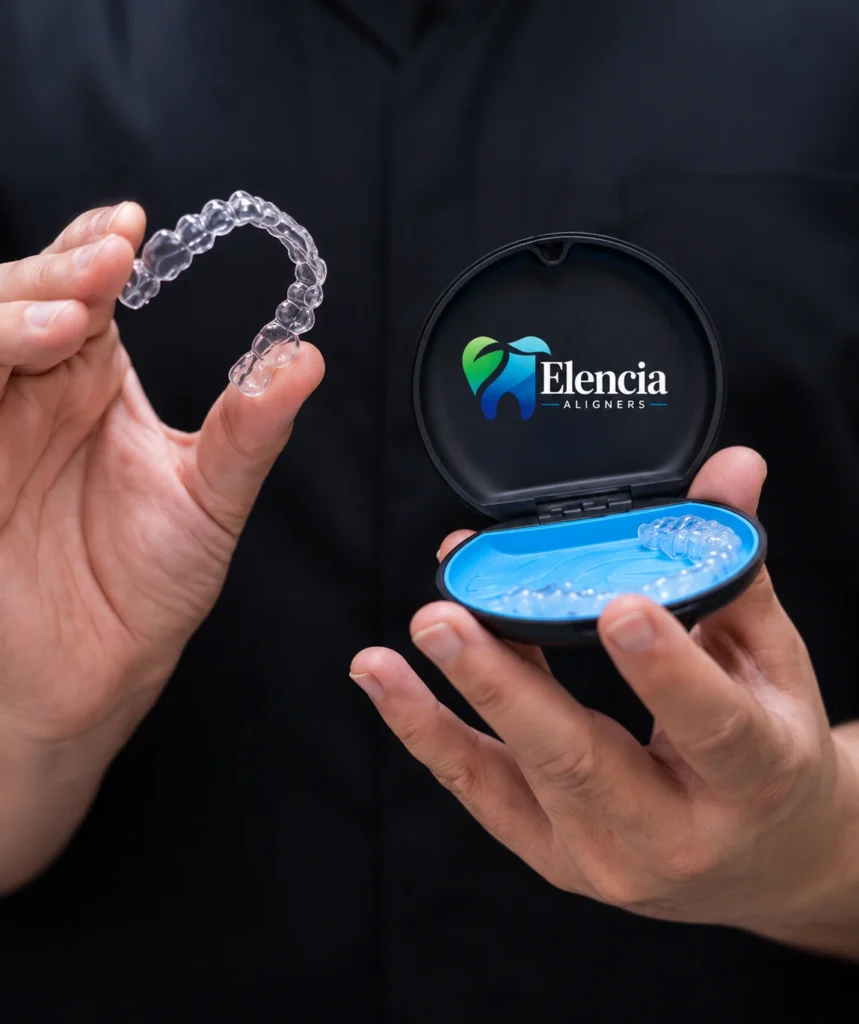


Clear aligner treatment has transformed modern orthodontics, giving patients a discreet and removable alternative to traditional braces. As aligner technology continues to evolve, patients and dental professionals now have more options than ever before. Among these advancements, BioForce Aligners introduce a technology-focused approach to force management and tooth movement.
But how do BioForce Aligners vs traditional aligners actually differ? Are newer aligner technologies more efficient? How does force application affect tooth movement, comfort, and treatment predictability?
Understanding these differences can help patients and dental professionals make more informed decisions when evaluating modern clear aligner systems.
In this guide, we compare BioForce Aligners and traditional aligner systems, focusing on their technology, force delivery, treatment efficiency, comfort, predictability, and overall treatment approach.
What Are Traditional Aligner Systems?
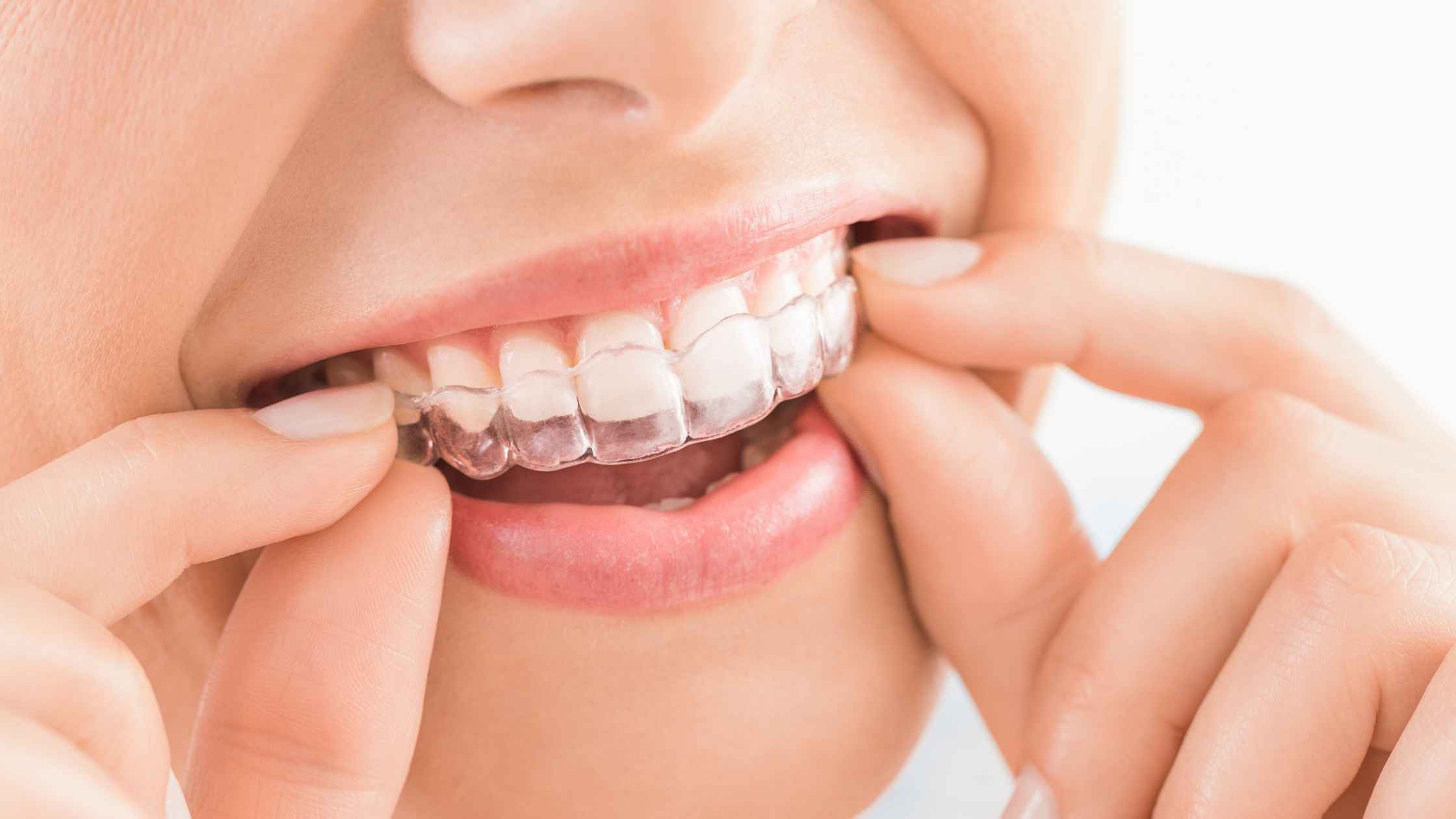
Traditional clear aligner systems use a series of custom-made transparent trays to gradually move teeth into planned positions. Each aligner is designed according to a digital treatment plan created by an orthodontist or qualified dental professional.
Patients generally wear each aligner for a prescribed period before moving to the next stage. Each new tray introduces carefully planned changes that gradually guide the teeth toward their intended positions.
Traditional clear aligners are popular because they offer several practical benefits:
- Nearly invisible appearance
- Removable trays
- Easier access for brushing and flossing
- Fewer dietary restrictions compared with braces
- Convenient treatment for many adult patients
- Digital treatment planning and progress monitoring
The effectiveness of conventional aligner treatment depends on several factors, including the treatment plan, case selection, aligner fit, patient compliance, attachment design, and the biological response to tooth movement.
While traditional aligners have a proven role in modern orthodontics, advancements in biomechanics have encouraged the development of newer approaches to force management.
What Are BioForce Aligners?
BioForce Aligners are based on a biomechanics-focused approach that emphasizes optimized force application throughout orthodontic treatment. Elencia Aligners incorporates BioForce Technology into its clear aligner system, with a focus on managing forces according to the specific requirements of planned tooth movements.
Since tooth movement is a biological process, different movements—such as rotation, vertical positioning, or horizontal movement—may require different force levels and biomechanical strategies. BioForce Technology is designed to account for these variations by optimizing force delivery according to the planned movement and stage of treatment.
Rather than applying a uniform force approach throughout treatment, Elencia Aligners uses the BioForce approach to focus on controlled force management across different stages of tooth movement. This places greater emphasis on orthodontic biomechanics, treatment planning, controlled force application, and movement predictability.
BioForce Aligners vs Traditional Aligners: The Key Difference
The main difference between BioForce Aligners vs traditional aligners is the approach to force management.
Traditional aligner systems generally use a sequence of trays that progressively move teeth according to a predetermined digital treatment plan. BioForce technology focuses more specifically on optimizing the forces associated with planned tooth movements.
The distinction can be summarized as follows:
| Feature | Traditional Aligner Systems | BioForce Aligners |
| Treatment approach | Sequential tooth movement | Biomechanics-focused tooth movement |
| Force management | Planned force application | Optimized force application |
| Treatment planning | Digital treatment planning | Digital and biomechanics-focused planning |
| Movement control | Depends on case and treatment design | Focuses on optimized force levels |
| Patient experience | Removable and discreet | Removable and discreet |
| Treatment monitoring | Depends on provider/system | Structured monitoring approach |
| Refinement | May be required depending on case | Designed to support predictable movement |
It is important to remember that treatment outcomes are not determined by aligner material or technology alone. Case selection, treatment planning, clinical execution, patient compliance, and biological response remain critical factors in successful orthodontic treatment.
How Force Affects Tooth Movement
Force is one of the fundamental components of orthodontic tooth movement.
When controlled orthodontic forces are applied to teeth, biological changes occur in the surrounding periodontal tissues and supporting bone. These changes allow teeth to gradually move toward their planned positions.
However, orthodontic force is not simply a matter of applying more pressure.
The amount, direction, duration, and distribution of force can all influence tooth movement. Different movements may require different biomechanical strategies.
This is why modern aligner systems increasingly focus on controlled and optimized force delivery rather than simply increasing the amount of force.
BioForce technology is built around this principle, with an emphasis on optimizing force levels for different treatment stages and planned movements.
BioForce Aligners and Treatment Efficiency
Treatment efficiency is one of the key considerations when comparing modern aligner technologies.
Orthodontic treatment should not simply aim to move teeth as quickly as possible. Instead, the objective is to achieve planned tooth movement efficiently while maintaining appropriate biological and clinical considerations.
An efficient treatment approach may help reduce unnecessary delays and improve the overall treatment experience.
BioForce Aligners are designed to support efficient tooth movement through optimized force management. When combined with appropriate treatment planning and patient compliance, this approach may help improve the predictability of planned movements.
However, treatment duration varies significantly between patients. Factors such as the complexity of malocclusion, number and type of tooth movements, patient age, compliance, attachments, IPR, refinements, and individual biological response can all influence the timeline.
Therefore, BioForce Aligners should not be considered a guarantee of faster treatment for every patient.
BioForce Aligners and Treatment Predictability
Predictability is another important factor in clear aligner treatment.
A digital treatment plan represents the intended movement of teeth, but the actual clinical outcome can vary. Teeth may not always move exactly as predicted, particularly when complex movements are involved.
Tracking issues can occur when the teeth do not follow the planned movement closely enough for the aligner to maintain its intended fit.
Optimized force management is intended to support better control over planned movements. BioForce technology focuses on delivering appropriate force levels throughout treatment, which can contribute to a more controlled treatment approach.
Nevertheless, predictability depends on more than the aligner itself. Proper diagnosis, treatment planning, attachment placement, patient wear time, clinical monitoring, and timely intervention are equally important.
BioForce Aligners vs Traditional Aligners: Comfort
Patient comfort is an important consideration when choosing an orthodontic treatment.
Clear aligners are generally considered a comfortable alternative to fixed braces because they are removable and do not use brackets and wires. However, patients can still experience pressure or mild discomfort when switching to a new aligner.
This sensation is often associated with the force required to initiate the next stage of tooth movement.
BioForce technology focuses on optimized force levels rather than simply increasing force. The goal is to provide controlled forces appropriate for the planned movement while supporting the biological process of tooth movement.
Individual experiences can vary, and comfort should always be considered alongside treatment objectives and clinical requirements.
Patient Compliance Still Matters
Even advanced aligner technology cannot replace patient compliance.
For clear aligner treatment to work effectively, patients need to follow their orthodontist’s instructions regarding:
- Daily aligner wear
- Changing aligners according to the prescribed schedule
- Maintaining good oral hygiene
- Cleaning the aligners properly
- Attending scheduled appointments
- Following instructions related to attachments and elastics
- Reporting problems with aligner fit or discomfort
An aligner system can be carefully designed, but inconsistent wear can affect treatment progress.
This means that the success of BioForce Aligners vs traditional aligners should not be evaluated solely on technology. The combination of technology, clinical expertise, treatment planning, and patient cooperation determines the overall treatment experience.
Do BioForce Aligners Require Attachments?
Attachments may be recommended with clear aligner treatment depending on the movements required.
Small tooth-colored attachments can provide additional contact points between the aligner and tooth. They may help the aligner achieve better control over specific movements.
Whether attachments are required depends on the patient’s treatment plan. Their use is determined by the orthodontist based on factors such as tooth position, planned movement, rotation, extrusion, intrusion, and other biomechanical requirements.
Therefore, BioForce technology does not eliminate the need for clinically appropriate auxiliaries when they are necessary for a particular case.
BioForce Aligners vs Traditional Aligners: Which Is Better?
There is no single aligner system that is automatically best for every patient.
Traditional aligner systems have a well-established role in orthodontic treatment and can provide effective results for appropriately selected cases.
BioForce Aligners offer an alternative approach that places greater emphasis on optimized force management and biomechanics.
The more important question is not simply “Which aligner is better?” but rather:
“Which treatment approach is appropriate for this patient’s specific orthodontic needs?”
A qualified orthodontic professional should evaluate the patient’s malocclusion, treatment objectives, tooth movement requirements, periodontal health, compliance expectations, and overall case complexity before recommending an aligner system.
BioForce Aligners vs Traditional Aligners: Quick Comparison
For a quick overview, the major differences include:
Traditional Aligners
- Use sequential trays to guide tooth movement
- Rely on digital treatment planning
- Offer a discreet and removable treatment option
- Have a well-established clinical application
- May require refinements depending on the case
- Treatment outcomes depend heavily on planning and patient compliance
BioForce Aligners
- Incorporate a biomechanics-focused approach
- Emphasize optimized force application
- Aim to provide controlled forces for planned movements
- Focus on treatment efficiency and movement predictability
- Can incorporate attachments and other clinically indicated auxiliaries
- Still require appropriate case selection, planning, monitoring, and compliance
Conclusion
The difference between BioForce Aligners and traditional aligner systems primarily lies in their approach to force management and orthodontic biomechanics. Traditional aligners use a sequence of custom trays to progressively move teeth, while BioForce Technology focuses on optimizing force levels according to planned tooth movements and different stages of treatment.
Both approaches have an important role in modern orthodontics, and the most appropriate option depends on the patient’s specific needs, case complexity, treatment objectives, and the treating professional’s clinical approach.
As clear aligner technology continues to evolve, greater attention is being given to biomechanics and controlled force delivery. Elencia Aligners incorporates BioForce Technology into its clear aligner system, bringing this approach to the planning and delivery of orthodontic treatment. By considering force application alongside planned tooth movements and treatment stages, BioForce Technology represents an evolving approach to modern clear aligner therapy.