


Clear aligner therapy has revolutionized orthodontics, offering a discreet and comfortable alternative to traditional braces. But behind every successful smile transformation lies a critical yet often overlooked phase, refinement planning.
While many patients expect their treatment to end after the first set of aligners, the reality is quite different. Teeth don’t always move exactly as predicted, and that’s where refinement planning becomes essential. It ensures that the final results match the original treatment goals as closely as possible. In fact, studies show that over 70% of clear aligner cases require at least one refinement stage, and many patients go through two or more rounds of adjustments. This makes refinement planning not just an optional step, but a fundamental part of modern aligner therapy.
Whether you’re a patient considering aligners or a professional exploring better outcomes, understanding refinement planning is key to achieving precise, predictable results.
What is Refinement Planning in Aligners?
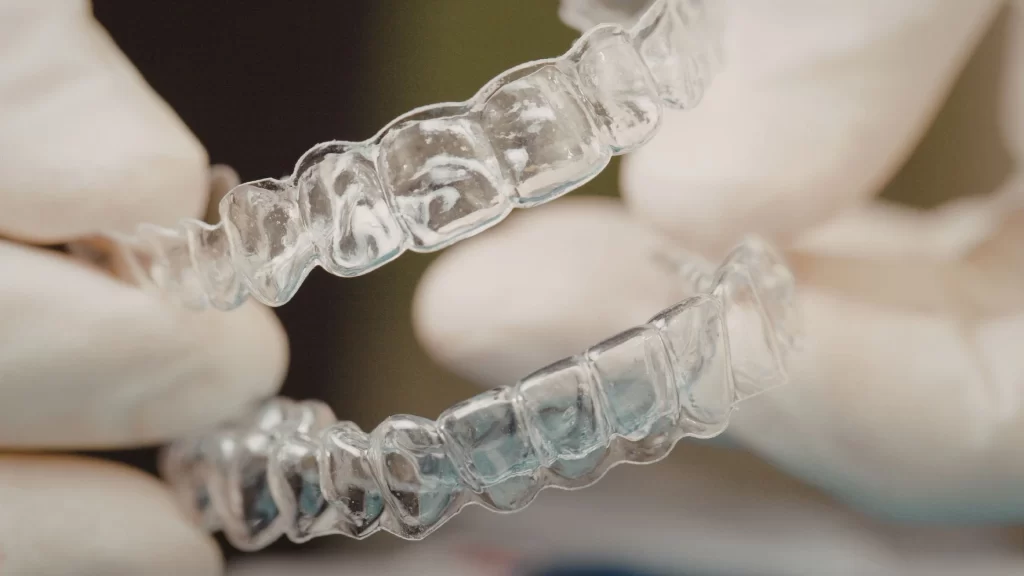
Refinement planning refers to the process of reassessing and adjusting a clear aligner treatment after the initial set of aligners has been completed.
During this phase:
- New scans or impressions are taken
- Tooth movements are re-evaluated
- Additional aligners are designed to correct minor discrepancies
This step is part of the broader aligner refinement process, ensuring that even small imperfections are corrected before treatment ends.
Why Refinement Planning is Necessary
Even with advanced 3D simulations and AI-driven predictions, tooth movement is a biological process, and biology isn’t always perfectly predictable.
1. Real vs Predicted Tooth Movement
While aligner simulations are highly accurate, about 10–15% of movements can differ from the original plan. This gap is one of the main reasons refinement planning becomes necessary.
2. High Frequency of Refinements
Research indicates that 99.4% of patients required a refinement phase, with a median of two refinement plans per patient.
This clearly shows that orthodontic refinement planning is not an exception, it’s the norm.
3. Complex Tooth Movements
Certain movements, like rotations, vertical changes, or deep bite corrections, are harder to achieve with aligners alone. These often require additional correction phases within the aligner treatment refinement stage.
4. Patient Compliance
Aligners need to be worn 20–22 hours daily. If compliance drops, results may deviate from the plan, increasing the need for refinement planning.
The Aligner Refinement Process Explained
The aligner refinement process is structured and systematic. Here’s how it typically works:
Step 1: Evaluation
After completing the initial aligners, the orthodontist checks:
- Alignment accuracy
- Bite correction
- Remaining gaps or rotations
Step 2: Digital Rescanning
A new 3D scan is taken to assess the current position of teeth.
Step 3: Updated Treatment Plan
Using digital tools, a revised plan is created, this is where orthodontic refinement planning comes into play.
Step 4: New Aligners
A fresh set of aligners is designed to fine-tune the results.
Step 5: Final Adjustments
This stage ensures precision and stability before moving to retainers.
Clear Aligner Refinement Stages
Understanding the clear aligner refinement stages helps set realistic expectations:
Stage 1: Initial Treatment
The first set of aligners focuses on major corrections like crowding or spacing.
Stage 2: First Refinement
Targets minor misalignments left after the initial phase.
Stage 3: Secondary Refinements (if needed)
For complex cases, additional refinements may be required.
Stage 4: Final Finishing
Fine detailing of bite and alignment before retention.
When is Refinement Planning Required?
You may need refinement planning if:
- Teeth haven’t reached the planned position
- Bite alignment is still off
- Gaps or rotations remain
- Aligners stopped tracking properly
- Aesthetic expectations are not fully met
Interestingly, studies show that about 25–30% of cases show noticeable differences from predicted outcomes, requiring adjustments.
Benefits of Proper Refinement Planning
A well-executed refinement planning strategy offers several advantages:
1. Improved Accuracy
Ensures teeth align exactly as planned.
2. Better Aesthetic Results
Helps achieve that “perfect smile” finish.
3. Enhanced Bite Function
Corrects functional issues, not just appearance.
4. Increased Patient Satisfaction
Patients are more satisfied when expectations match results.
Challenges in Aligner Treatment Refinement
While essential, aligner treatment refinement also comes with challenges:
- Extended treatment duration
- Additional costs (in some cases)
- Dependence on patient compliance
- Biological limitations of tooth movement
For example, deep bite correction accuracy drops significantly after initial aligners, showing limited improvement in later refinement stages. Clear aligners are rapidly transforming modern orthodontics, replacing traditional braces with a more aesthetic, comfortable, and convenient solution. Their nearly invisible design makes them especially popular among adults and professionals seeking discreet treatment. The aligner refinement process is a common yet often time-consuming stage in clear aligner treatment, as teeth don’t always move exactly as planned. Traditional workflows can lead to delays, additional appointments, and extended treatment timelines for patients.
The Role of Technology in Refinement Planning
Modern aligner systems use advanced tools like:
- AI-driven treatment simulations
- 3D digital scanning
- Predictive modeling
Brands like Elencia Aligners are leveraging such innovations to improve treatment predictability and reduce unnecessary refinements. By focusing on precision and data-driven planning, they aim to enhance the efficiency of orthodontic refinement planning and overall outcomes.
How to Minimize the Need for Refinements
While refinement planning is often unavoidable, you can reduce its extent by:
- Wearing aligners consistently (20–22 hours daily)
- Following orthodontist instructions carefully
- Attending regular check-ups
- Reporting tracking issues early
Patients who follow instructions strictly can achieve up to 85–90% success rates, significantly reducing the need for extensive refinements.
Final Thoughts
Refinement planning is not a setback, it’s a strategic step toward perfection.
In modern orthodontics, achieving ideal results often requires flexibility and adaptation. The aligner refinement process, combined with accurate orthodontic refinement planning, ensures that every detail is addressed before completing treatment.
Rather than seeing refinements as a delay, they should be viewed as a precision tool, one that transforms good results into exceptional ones. As aligner technology continues to evolve, brands like Elencia Aligners are making aligner treatment refinement smarter, faster, and more predictable, bringing us closer to truly customized orthodontic care.
FAQs
1. What is refinement planning in aligners?
Refinement planning is the process of adjusting and improving the initial aligner treatment plan after the first set of aligners. It involves new scans and additional aligners to correct any remaining misalignments and achieve optimal results.
2. How common is the aligner refinement process?
The aligner refinement process is very common. Studies show that over 70% of patients require at least one refinement stage, and many undergo multiple refinements to achieve precise alignment and better overall treatment outcomes.
3. Do refinements increase treatment time?
Yes, refinements can extend treatment time slightly, as additional aligners are required. However, they are essential for achieving accurate results and ensuring that both aesthetic and functional goals are fully met.
4. Can refinement planning be avoided?
Refinement planning cannot always be avoided, as tooth movement varies between individuals. However, proper aligner wear, good oral habits, and regular follow-ups can significantly reduce the need for multiple refinement stages.