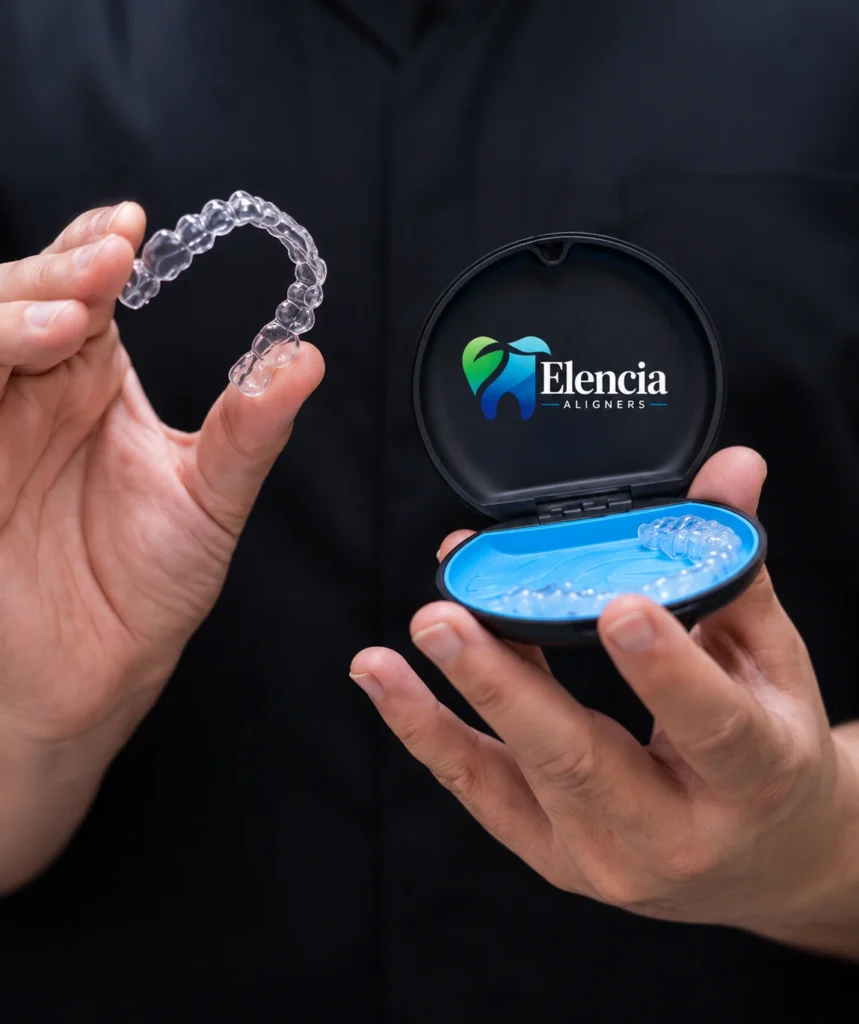


Redefining the Boundaries of Modern Orthodontics
Orthodontics has entered a new digital era where aesthetics, comfort, and convenience are no longer optional, they are expected. Clear aligners have become a preferred choice for patients seeking discreet treatment. However, when it comes to Clear Aligners in Complex Cases, the conversation shifts from convenience to capability.
Complex orthodontic cases involve severe crowding, bite discrepancies, rotations, or skeletal imbalances, conditions that traditionally required fixed braces. Today, with advancements in 3D planning, aligner biomechanics, and digital workflows, aligners are increasingly being used even in challenging scenarios. Yet, predictability remains a key concern.
Studies indicate that while clear aligners achieve 70–75% success as planned, up to 25–30% of cases require refinements, especially in complex situations.
Additionally, certain movements such as rotations, vertical corrections, and root translations still present limitations, making Clear Aligners in Complex Cases a topic that demands careful planning and expertise.
“Clear aligners have expanded possibilities, but complexity demands precision, not just innovation.”
Understanding Complex Cases in Orthodontics
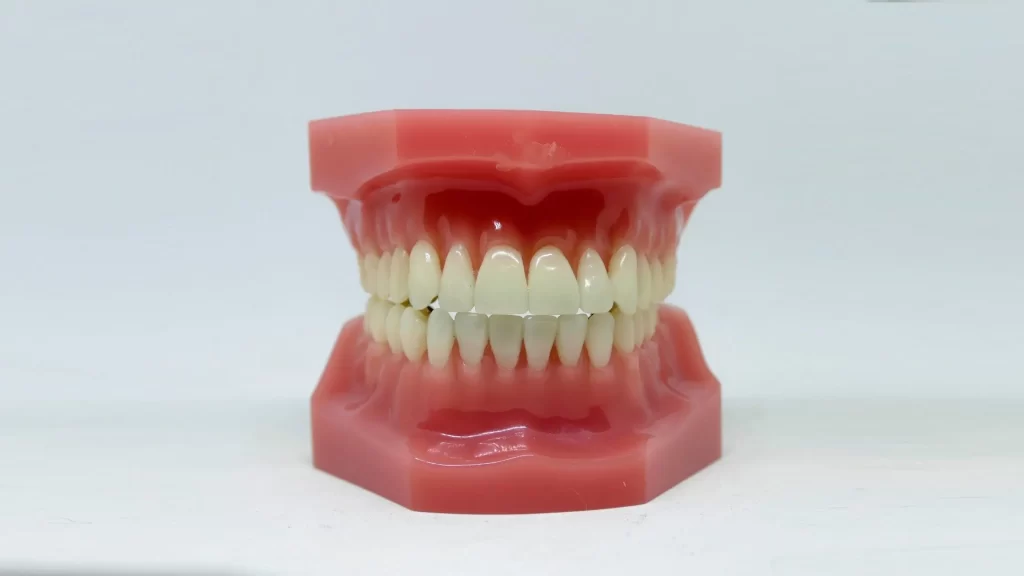
Before exploring solutions, it is essential to define what constitutes Clear Aligners in Complex Cases.
These cases typically include:
- Severe crowding or spacing
- Deep bite or open bite issues
- Significant tooth rotations
- Extraction-based treatments
- Skeletal discrepancies
Historically, aligners were best suited for mild to moderate cases. However, advancements in digital orthodontics have expanded their scope, allowing clinicians to attempt more complex aligner treatment protocols with improved outcomes.
Aligner Challenges in Orthodontics
Despite technological progress, several aligner challenges in orthodontics still limit predictability in complex cases.
1. Difficulty in Vertical Movements
Intrusion and extrusion remain among the most challenging movements. Aligners can only achieve limited vertical changes per stage, making deep bite corrections less predictable.
2. Rotational Limitations
Severe rotations, especially in canines and premolars, often show reduced accuracy. Studies report that 30–40% of severe rotations may not fully correct with aligners alone.
3. Root Control and Torque Issues
Aligners primarily act on crowns, making root positioning less precise compared to braces. This creates discrepancies between planned and actual results.
4. Dependence on Patient Compliance
Unlike fixed appliances, aligners rely heavily on patient discipline. Wearing them less than the recommended 20–22 hours daily significantly reduces success rates. Clear aligner therapy offers significant aesthetic and comfort advantages, but it also comes with important clinical limitations related to biomechanics, predictability, and long-term stability, especially in more complex orthodontic cases.
Clear Aligner Limitations in Complex Cases
Understanding clear aligner limitations is critical when planning treatment.
Research highlights that aligners struggle with:
- Severe skeletal discrepancies requiring surgical correction
- Complex extraction cases with significant tooth movement
- Large vertical corrections and occlusal adjustments
- High-precision torque movements
In fact, studies show that fixed appliances often achieve better occlusal contacts and faster results in extraction-based complex cases, reinforcing the importance of case selection.
“Aligners are powerful tools, but not universal solutions.”
Can Clear Aligners Still Work in Complex Cases?
The answer is yes, with the right approach.
Recent advancements in complex aligner treatment have significantly improved outcomes. With technologies like 3D simulations and AI-assisted planning, clinicians can now design more accurate and predictable treatment plans.
In many cases:
- Severe crowding can be managed with staged expansion and IPR
- Bite corrections can be achieved using elastics and attachments
- Rotations can be improved with optimized attachments and overcorrections
Clinical insights suggest that aligners can achieve 80–90% success in well-managed cases, provided patient compliance and planning are optimal.
Managing Complex Aligner Cases: Key Solutions
Successfully managing complex aligner cases requires a combination of technology, clinical expertise, and patient cooperation.
1. Advanced Treatment Planning
Detailed digital planning ensures that movements are staged correctly and biologically feasible.
2. Use of Attachments and Auxiliaries
Attachments, elastics, and bite ramps enhance force application and improve movement control.
3. Overcorrection Strategies
Planning slight overcorrections compensates for known inaccuracies in tooth movement.
4. Hybrid Treatment Approaches
In some cases, combining aligners with braces or other appliances provides better results.
5. Continuous Monitoring and Refinements
Regular assessments allow clinicians to adjust treatment plans and maintain progress.
A Detailed Example: Managing a Complex Case
Case: Severe Crowding with Deep Bite
Patient Profile:
- Age: 30
- Condition: Severe lower arch crowding and deep bite
Challenges Identified
- Limited space for alignment
- Need for vertical correction
- Risk of incomplete intrusion
Treatment Approach
Using advanced complex aligner treatment:
- 3D digital planning with staged movements
- Interproximal reduction to create space
- Use of bite ramps for vertical control
- Strategic attachments for force direction
- Overcorrection planning for rotations
Outcome
- Significant improvement in alignment and bite
- Minor refinements required
- High patient satisfaction
This case demonstrates how Clear Aligners in Complex Cases can be successful when supported by precise planning and biomechanics.
The Role of Technology in Improving Outcomes
Technological advancements are transforming how clinicians approach Clear Aligners in Complex Cases:
- AI-driven simulations improve prediction accuracy
- Digital workflows enhance treatment customization
- Real-time monitoring tools track progress
Brands like Elencia Aligners are contributing to this evolution by focusing on precision-driven planning and advanced digital integration, enabling orthodontists to manage even challenging cases more effectively. From advanced digital workflows to expert-backed planning, Elencia Aligners are designed to support both clinicians and patients, ensuring treatments are efficient, predictable, and aligned with modern orthodontic standards.
Future of Complex Aligner Treatment
The future of Clear Aligners in Complex Cases lies in:
- AI-powered predictive modeling
- Personalized treatment algorithms
- Improved material science for better force control
- Integration of digital diagnostics with biomechanics
As these innovations continue, the gap between aligners and traditional braces in complex cases will continue to narrow.
Conclusion
While clear aligners have revolutionized orthodontics, their application in complex cases requires careful consideration. Clear Aligners in Complex Cases present unique challenges, including biomechanical limitations, patient compliance, and movement predictability. However, with advancements in complex aligner treatment, improved aligner challenges in orthodontics management, and strategic planning, these limitations can be effectively addressed.
Ultimately, success depends not just on the aligners themselves, but on how intelligently they are planned and executed. Explore how Elencia Aligners are redefining modern orthodontics with digitally planned, precise, and comfortable clear aligner solutions designed to improve treatment outcomes and patient experience. Have questions or want to collaborate? Connect with the Elencia Aligners team to explore advanced aligner solutions, treatment planning support, and how their technology-driven approach can enhance orthodontic outcomes.
“In complex orthodontics, success is not about the tool, it is about the strategy behind it.”
FAQs
1. Are clear aligners effective for complex orthodontic cases?
Yes, clear aligners can be effective in complex cases when supported by advanced planning and clinical expertise. However, outcomes depend on case severity, patient compliance, and the use of additional techniques like attachments or hybrid treatment approaches.
2. What are the biggest challenges with aligners in complex cases?
Major challenges include difficulty in vertical movements, rotational control, and root positioning. Additionally, patient compliance plays a significant role, as inconsistent wear can lead to delayed or incomplete results in complex aligner treatment.
3. When are braces preferred over aligners?
Braces are often preferred in cases involving severe skeletal discrepancies, significant extractions, or complex bite corrections. They provide stronger and more continuous force, making them more effective for certain difficult orthodontic movements.
4. How can orthodontists improve success in complex aligner cases?
Success can be improved through advanced 3D planning, use of attachments and auxiliaries, overcorrection strategies, and continuous monitoring. Combining aligners with other orthodontic techniques also enhances outcomes in challenging cases.